New to racketball?
How Hampshire Racketball Works
Racketball in Hampshire is played to be enjoyed. The league is competitive, but the format is built so that
everyone gets plenty of court time, nobody is left sitting out, and the evening finishes with a meal and a chat
with the other team. If you can hit a ball, you can play.
A social game first
More play in an evening
Every player plays a singles match and a doubles match on the same night, so you are on court for much more
of the evening than in a traditional one-match fixture.
Friendly by design
There are no player rankings and no set order. Clubs choose who plays for which team, and players can go out
in any order they like.
Small teams, easy to run
A team is just three players. That makes it simple to get one together from friends, colleagues or club
members.
Courts, timings and budgeting
A match night needs two courts. In each rotation one court is used for the singles match and the
other for the doubles match, and both are played at the same time. Courts are normally booked in 45 minute slots,
and a typical evening books six court bookings in total (three slots on each court), for example 7pm to 9:15pm. The night finishes with both teams sitting down to a meal hosted by the home team.
How the evening runs
- Slot 1: Player 3 v Player 3 in the singles, with Players 1 & 2 v Players 1 & 2 in the doubles.
- Slot 2: Player 2 v Player 2 in the singles, with Players 1 & 3 v Players 1 & 3 in the doubles.
- Slot 3: Player 1 v Player 1 in the singles, with Players 2 & 3 v Players 2 & 3 in the doubles.
What it costs
Court prices vary by club, but a typical 45 minute court is about £11. Two courts for three
slots is six bookings, so around £66 a night. Shared between all six players, that is about £11 each, or around £33 a team if the cost is split evenly between the two sides. The meal is on top of the court cost, so allow for that too. Depending on the club's facilities, the home team can cook themselves, order a takeaway or eat out at a local restaurant, so the cost is up to them. Check your own club's rates and who pays before the season starts.
How the scoring works
Games
- Every match is three games. It is not best of three, so all three are always played.
- A match finishes 3-0, 2-1 or 1-2.
- Games are played to 11, two points clear, using American scoring.
Match points
- Games are added up across the six matches, so a maximum of 18 points (6 matches x 3 games).
- The winning team gets a 6 point bonus, so a match adds up to 24 points in total.
- If it is a draw, 9 games each, no bonus is awarded or shared.
Because every game counts, a team that loses the night can still pick up valuable league points, which keeps
matches interesting right to the end.
Which ball is used
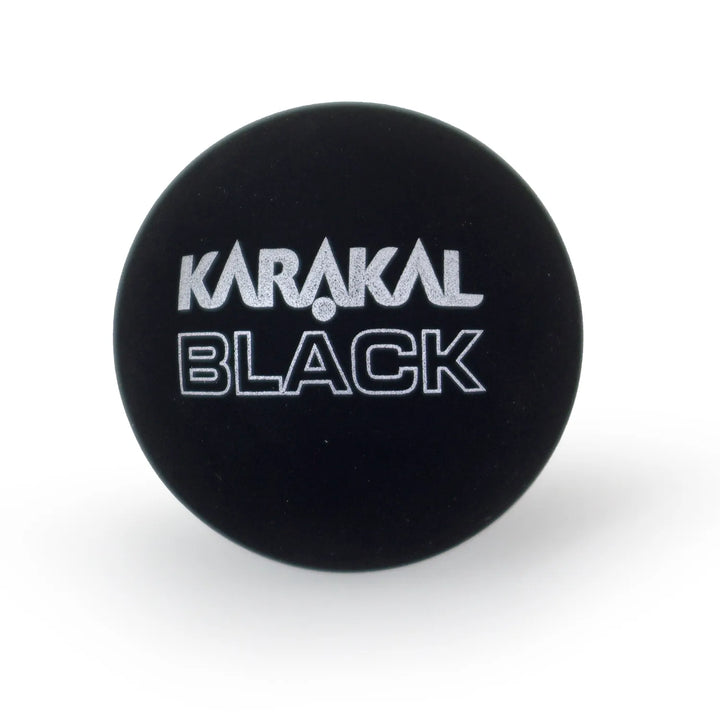
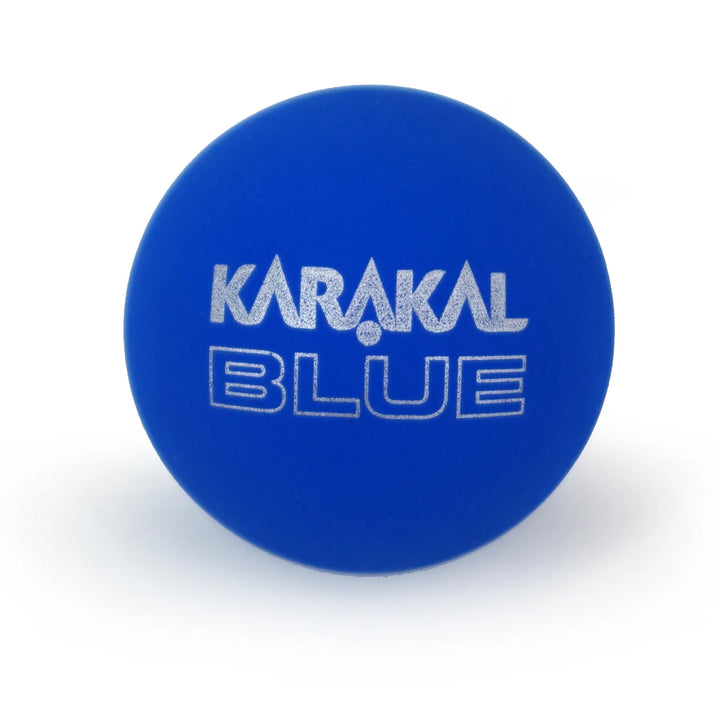
Racketball is played with either a black or a blue ball. The league uses them as follows.
Premier Division
The black ball is used for every match.
Championship
The home team chooses the colour of the ball, black or blue.
When it is played
The leagues usually start towards the end of September or in October and run until the end of March or April.
Fixtures are arranged around the squash league calendar, so racketball is played on the Tuesdays and Thursdays
that clubs have free. Clubs hosting in other county leagues may have dates that are not available, so a little
flexibility goes a long way.